









 Fast lane
Ready in 30 minutes
Fast lane
Ready in 30 minutes Breakfast
 Soups & stews
 Grill & kebabs
 Desserts











Asian fusion cooking brings together two powerful culinary traditions: the bold, aromatic flavors of Asian cuisine and the warm, earthy, and smoky notes of Western spices. This combination creates dishes that feel familiar yet exciting, offering new ways to enjoy everyday meals. With the right seasoning approach, you can build balanced, layered dishes using simple ingredients and globally inspired spices.
Why Western Spices Work in Asian Fusion Cooking
Western spices support and enhance the natural flavors found in Asian cooking. Asian cuisine often focuses on harmony among sweet, salty, sour, spicy, and umami. Western herbs and spices introduce warmth, depth, and aroma without overpowering the base. Garlic powder deepens savory notes, smoked paprika brings gentle smokiness, and Italian herbs add brightness. Used thoughtfully, these spices transform traditional dishes into modern fusion meals.
Essential Western Spices for Asian-Inspired Dishes
-
Smoked Paprika
Adds smoky warmth to Korean-style barbecue, grilled meats, shrimp dishes, and roasted Asian vegetables. -
Garlic Powder
A universal seasoning that intensifies umami in stir-fries, noodle bowls, soups, and dumpling fillings. -
Onion Powder
Adds roundness and depth to broths, sauces, fried rice, and marinades. -
Italian Seasoning
A blend of herbs like basil, thyme, and oregano. Enhances ramen, stir-fried vegetables, tofu dishes, and fusion soups. -
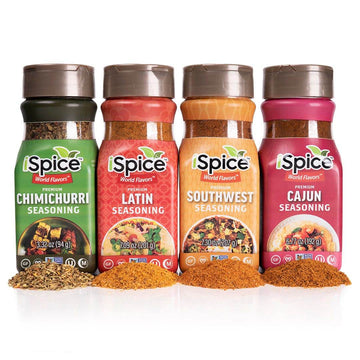
Cajun Seasoning
Brings boldness and spice. Ideal for Cajun fried rice, spicy noodle bowls, shrimp stir-fries, and grilled chicken. -
Rosemary and Thyme
Earthy and aromatic. Perfect for slow-simmered soups, miso broths, soy-based marinades, and fusion curries. -
Coarse Black Pepper
Adds texture and heat to noodles, grilled meats, vegetable stir-fries, and fusion sauces.
When to Add Western Spices in Asian Dishes
Before Cooking
Marinate chicken, beef, tofu, or shrimp using soy sauce, ginger, garlic, and Western spices like paprika or rosemary. Lightly season vegetables before stir-frying or grilling for better browning.
During Cooking
Add spices mid-cooking to preserve their aroma. Stir-fries, curries, and noodle dishes benefit from seasoning added shortly before liquids or sauce.
After Cooking
Finish dishes with coarse pepper or herb blends for aroma and freshness. A small sprinkle enhances flavor without overwhelming the dish.
Balancing Eastern and Western Flavor Profiles
Effective fusion cooking relies on balance. To maintain harmony:
Use Western spices lightly when working with delicate flavors like miso, lemongrass, coconut milk, or fish sauce.
Pair bold spices with mild bases such as rice, noodles, and steamed vegetables.
Add acidity (lime, rice vinegar) or sweetness (honey, hoisin) to balance strong spices.
Finish dishes with fresh herbs like cilantro, green onion, or Thai basil to brighten the final flavor.
How Western Spices Influence Texture and Aroma
Meats gain color and crispness when seasoned with paprika and pepper.
Vegetables cook more evenly and brown better when lightly seasoned before heat is applied.
Soups and broths develop deeper aroma with rosemary, thyme, or garlic seasoning.
Rice and noodles absorb spice flavor quickly, creating a cohesive fusion dish.
Common Mistakes in Asian Fusion Cooking
Using too many spices at once, leading to muddled flavor.
Adding Western spices too early to a hot wok, causing burning or bitterness.
Overpowering delicate Asian flavors by using strong herbs in large amounts.
Skipping fresh herbs or finishing elements that bring balance to fusion meals.
Pro Tips for Successful Asian-Inspired Fusion
Start with small amounts of Western spices and adjust gradually.
Use spice blends to simplify seasoning and create consistent results.
Balance heat with sweetness or acidity.
Taste throughout the cooking process to keep flavors aligned.
FAQ
Q1: Which Western spices work best with Asian cooking?
Smoked paprika, garlic powder, onion powder, black pepper, Cajun seasoning, and Italian herbs blend well with soy sauce, ginger, sesame oil, and other Asian ingredients.
Q2: Can I add Italian herbs to noodle dishes or ramen?
Yes. Basil, oregano, and thyme add herbal warmth that enhances broths and stir-fried noodles without altering the dish’s character.
Q3: How can I keep Western spices from overpowering Asian flavors?
Use small amounts and balance with acidity or sweetness. Asian ingredients like miso, tamari, and lemongrass require light, complementary seasoning.
Q4: Are fusion dishes easy to cook at home?
Yes. With basic Asian staples and a few Western spices, anyone can make flavorful fusion dishes quickly.
Q5: Can Cajun seasoning be used in Asian-style recipes?
Cajun seasoning adds bold heat and works well in fried rice, stir-fried shrimp, spicy noodle bowls, and grilled fusion meats.