





 Fast lane
Ready in 30 minutes
Fast lane
Ready in 30 minutes Breakfast
 Soups & stews
 Grill & kebabs
 Desserts











A well-stocked spice rack is the foundation of every great kitchen. It gives you the freedom to cook across cultures and experiment with flavors that define cuisines around the world. Whether you’re making Italian pasta, Indian curry, or Middle Eastern rice, having the right spices and herbs on hand makes all the difference.
Building a spice rack for every cuisine means curating a mix of essential everyday seasonings and region-specific spices that let you travel the globe through your cooking.
Why a Global Spice Rack Matters
Cooking with international flavors doesn’t require dozens of exotic ingredients — just a smart selection of versatile spices.
A diverse spice rack helps you:
-
Cook a variety of cuisines without constant grocery trips
-
Combine spices for fusion and creative cooking
-
Save time by organizing your most-used blends
-
Keep your ingredients fresh and accessible
A global spice collection turns everyday meals into culinary adventures.
The Essentials: Universal Spices for Any Cuisine
Before diving into regional groups, start with core spices and herbs that serve as the backbone for most dishes:
| Category | Examples | Flavor Notes |
|---|---|---|
| Aromatics | Garlic powder, onion powder | Savory, foundational |
| Warm Spices | Paprika, black pepper, cumin | Balanced heat and depth |
| Herbs | Oregano, thyme, parsley, basil | Bright, earthy, and herbal |
| Color & Aroma | Turmeric, cinnamon | Adds visual and aromatic warmth |
| Finishing Flavors | Crushed red pepper, sea salt, lemon zest | Enhances and balances flavor |
These staples blend easily into cuisines from nearly every part of the world.
Spice Rack by Cuisine
1. Mediterranean Cuisine
Known for its fresh, herbal, and sun-dried flavors.
Key spices and herbs:
-
Oregano
-
Rosemary
-
Thyme
-
Basil
-
Garlic powder
-
Paprika
Best for: Pasta sauces, grilled fish, olive oil marinades, roasted vegetables.
2. Indian Cuisine
Rich, complex, and aromatic with layered spice combinations.
Key spices and herbs:
-
Turmeric
-
Cumin seeds
-
Coriander
-
Cardamom
-
Cloves
-
Garam masala
Best for: Curries, lentil stews, rice dishes, and spice rubs.
3. Middle Eastern Cuisine
Fragrant, balanced between warm and tangy.
Key spices and herbs:
-
Cumin
-
Sumac
-
Za’atar
-
Cinnamon
-
Coriander
-
Mint
Best for: Kebabs, hummus, couscous, or roasted meats.
4. Asian Cuisine
Features spicy, sweet, and umami-forward seasonings.
Key spices and herbs:
-
Ginger
-
Star anise
-
Chinese five-spice powder
-
Garlic
-
Lemongrass
-
White pepper
Best for: Stir-fries, noodle dishes, broths, and marinades.
5. Latin American Cuisine
Colorful and bold, with notes of chili, citrus, and herbs.
Key spices and herbs:
-
Chili powder
-
Cumin
-
Oregano
-
Smoked paprika
-
Coriander
-
Bay leaf
Best for: Tacos, stews, rice dishes, and grilled meats.
6. African Cuisine
Deeply savory and aromatic, often blending sweet and spicy tones.
Key spices and herbs:
-
Berbere blend
-
Allspice
-
Cayenne
-
Ginger
-
Nutmeg
-
Clove
Best for: Stews, roasted vegetables, and spiced grains.
7. European Classics
Traditional comfort flavors rooted in balance and simplicity.
Key spices and herbs:
-
Parsley
-
Bay leaves
-
Dill
-
Marjoram
-
Sage
-
Mustard seeds
Best for: Soups, stews, baked meats, and sauces.
Tips for Organizing Your Spice Rack
-
Group by cuisine or flavor profile (e.g., “Asian blends” or “Herbs and Greens”).
-
Label jars clearly with the spice name and date of purchase.
-
Keep spices away from heat and sunlight to preserve potency.
-
Store similar jar sizes for easy access and neat presentation.
-
Replenish regularly: Ground spices lose intensity after about 6 months.
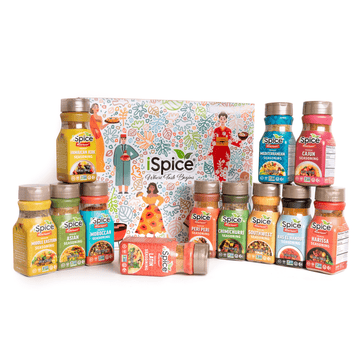
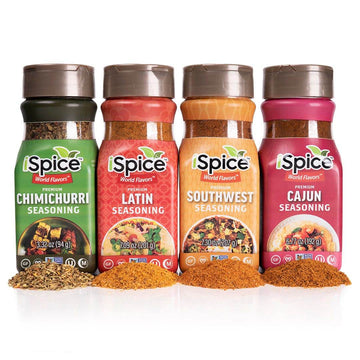
Consider keeping small pre-made blends (like taco seasoning, curry mix, or Italian herbs) for fast flavor boosts on busy nights.
Frequently Asked Questions About Spice Racks
1. How many spices should I keep in a starter spice rack?
Start with 10–12 versatile spices such as paprika, cumin, thyme, and garlic powder, then expand based on your favorite cuisines.
2. Should I buy whole or ground spices?
Whole spices stay fresh longer. Grind them as needed for maximum aroma.
3. What’s the best way to label spices?
Use printed or handwritten labels including the name, origin, and date purchased.
4. Can I store spices in the refrigerator?
No. Moisture can cause clumping. Store in a cool, dry cupboard instead.
5. How often should I replace old spices?
Ground spices last 6–12 months; whole spices can last up to two years when properly stored.
Final Thoughts
Building a spice rack for every cuisine allows you to bring global flavors into your everyday cooking. From the bold heat of chili and cumin to the soothing aroma of basil and thyme, each spice reflects a culture’s story and taste tradition. Start with the essentials, expand region by region, and soon your spice rack will be your passport to endless culinary creativity.