










































Spices are essential in every kitchen, bringing color, aroma, and depth to everyday cooking. Whether you are grilling, sautéing, simmering, or baking, spices help define the character of your dish. However, even experienced home cooks make simple mistakes that can dull or overpower flavors. By understanding how spices behave in heat, oil, and liquid, you can elevate your dishes and get the most out of every seasoning you use.
Why Proper Spice Use Matters
Spices are concentrated sources of flavor. When used correctly, they enhance natural ingredients and help create balance. When mishandled, they can become bitter, weak, overwhelming, or unevenly distributed. Correct spice techniques allow herbs and seasoning blends to reach their full potential, improving both taste and aroma across a variety of cuisines.
Common Mistake 1: Using Old or Stale Spices
Spices lose potency over time. Ground spices typically last one to two years, while whole spices maintain freshness longer. Using stale spices results in weak flavor, requiring more product and producing inconsistent results. Always store spices in airtight containers away from heat and moisture.
Common Mistake 2: Adding Spices Too Early
Some spices burn easily, especially garlic powder, paprika, chili powder, and curry blends. Adding them too early in high-heat cooking can create bitterness. Add delicate spices mid-cooking or near the end to preserve their aroma.
Common Mistake 3: Not Toasting Spices When Needed
Whole spices such as cumin seeds, coriander seeds, mustard seeds, and peppercorns become more aromatic when toasted lightly. Skipping this step can result in flatter flavor. Toasting releases essential oils and enhances depth.
Common Mistake 4: Overseasoning Without Tasting
Applying too much seasoning at once can overwhelm the dish. Spices are powerful and should be added in small amounts, tasting as you go. Season gradually to build a balanced flavor profile.
Common Mistake 5: Using Too Many Spices at the Same Time
More spices do not equal more flavor. Combining too many bold seasonings can create muddled, indistinct taste. Choose one or two spices to highlight, supported by complementary herbs or blends.
Common Mistake 6: Not Blooming Spices in Oil
Many spices—especially turmeric, cumin, coriander, chili powder, and curry blends—release flavor when heated briefly in oil. Adding them directly to liquid can prevent full flavor development. Blooming spices in oil before adding broth or vegetables improves richness.
Common Mistake 7: Ignoring Salt as a Flavor Enhancer
Salt is not a spice, but it enhances the impact of every seasoning. Under-salting can make spices taste muted, while over-salting hides delicate flavors. Use salt to support, not dominate.
Common Mistake 8: Using Fine Spices for Dry Rubs
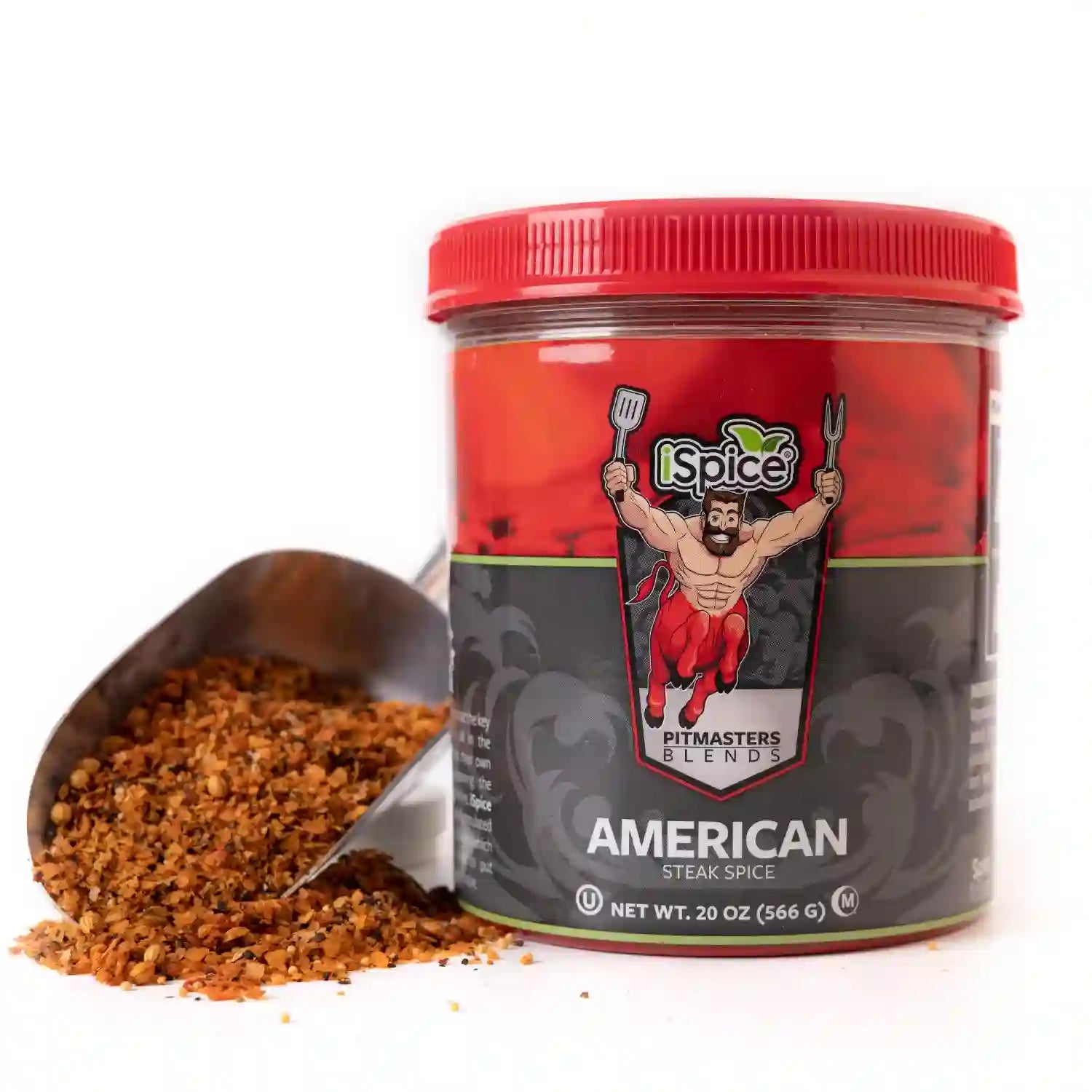
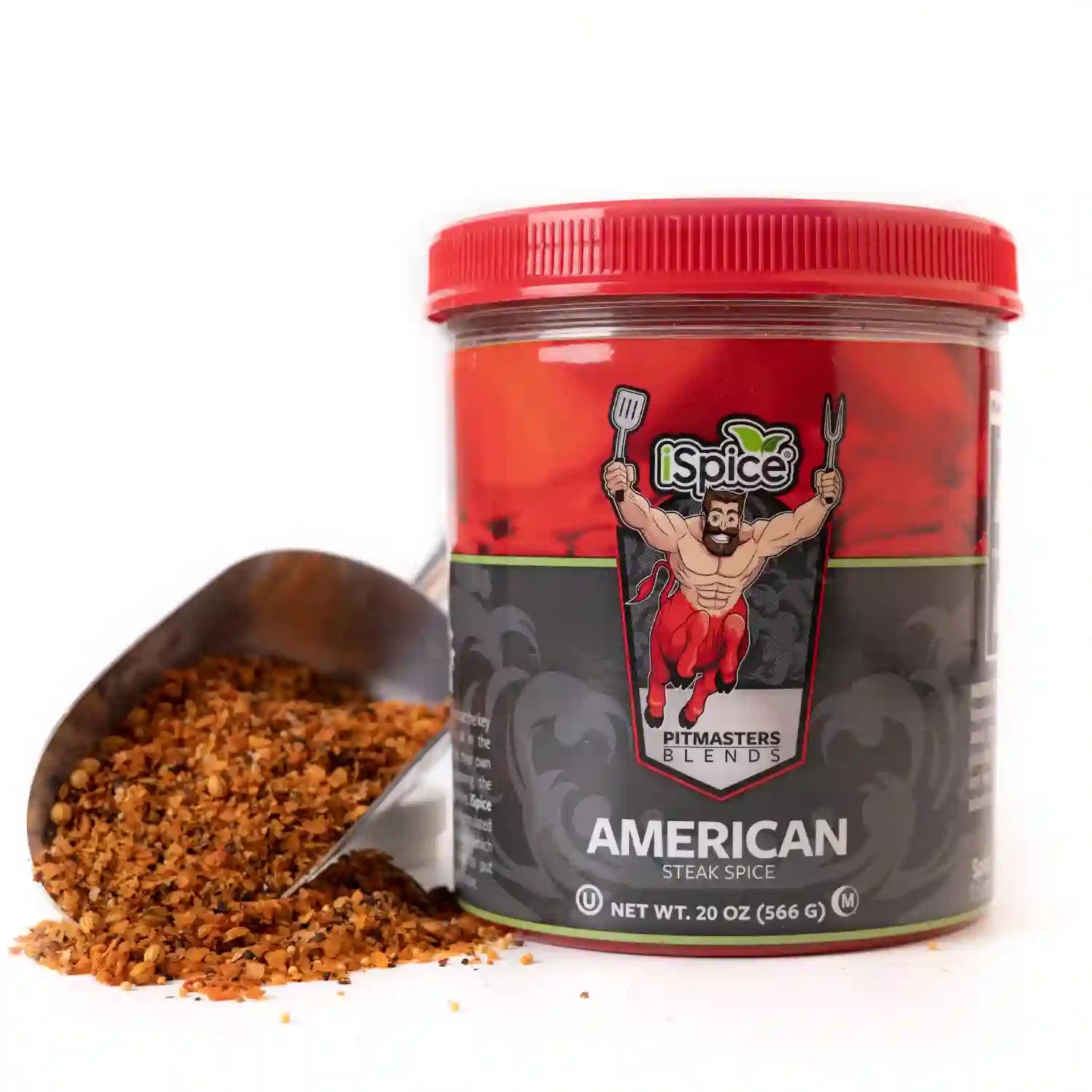
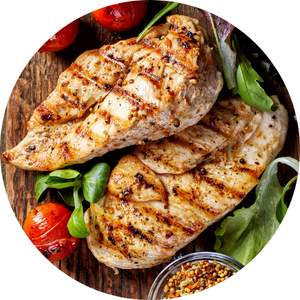
Fine ground spices can clump and burn on grilled or roasted foods. Coarser rubs using cracked pepper, herbs, paprika, and garlic powder create better texture and browning.
Common Mistake 9: Not Considering Dish Type and Cooking Method
Spices behave differently in soups, grilled dishes, roasted meats, and stir-fries. High heat intensifies spice flavor, while slow cooking mellows it. Adjust seasoning amounts based on the technique you use.
Common Mistake 10: Forgetting to Finish with Fresh Herbs or Acid
Finishing elements such as lemon juice, fresh herbs, or vinegar bring brightness that balances spice warmth. Skipping this step can leave dishes feeling heavy or flat.
Pro Tips for Cooking with Spices
Start small and build flavor gradually.
Use whole spices when possible for stronger aroma.
Bloom spices in oil before adding liquid.
Store spices away from heat and sunlight.
Pair spices with acidity or sweetness to create balance.
Finish dishes with herbs or citrus to lift the flavor.
FAQ
Q1: How long do spices stay fresh?
Ground spices last one to two years, while whole spices can stay fresh for up to three to four years when stored properly.
Q2: Why do some spices taste bitter when cooked?
Spices like paprika, garlic powder, and chili powder burn at high heat. Adding them too early can create bitterness.
Q3: Should I toast whole spices before using them?
Yes. Lightly toasting whole spices releases essential oils and enhances aroma, especially for cumin, coriander, and mustard seeds.
Q4: How do I know if I’ve used too much seasoning?
If the dish tastes overpowering or unbalanced, reduce seasoning next time and add spices gradually while tasting throughout cooking.
Q5: Can I mix many spices in one dish?
Yes, but use restraint. Too many bold spices can create muddled flavor. Highlight one main spice and support it with complementary herbs or blends.


