

 Fast lane
Ready in 30 minutes
Fast lane
Ready in 30 minutes Breakfast
 Soups & stews
 Grill & kebabs
 Desserts











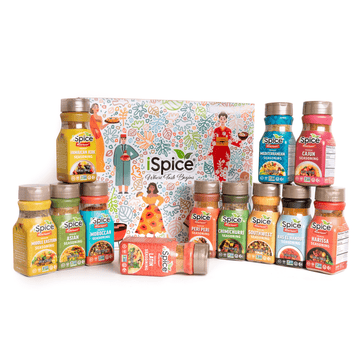
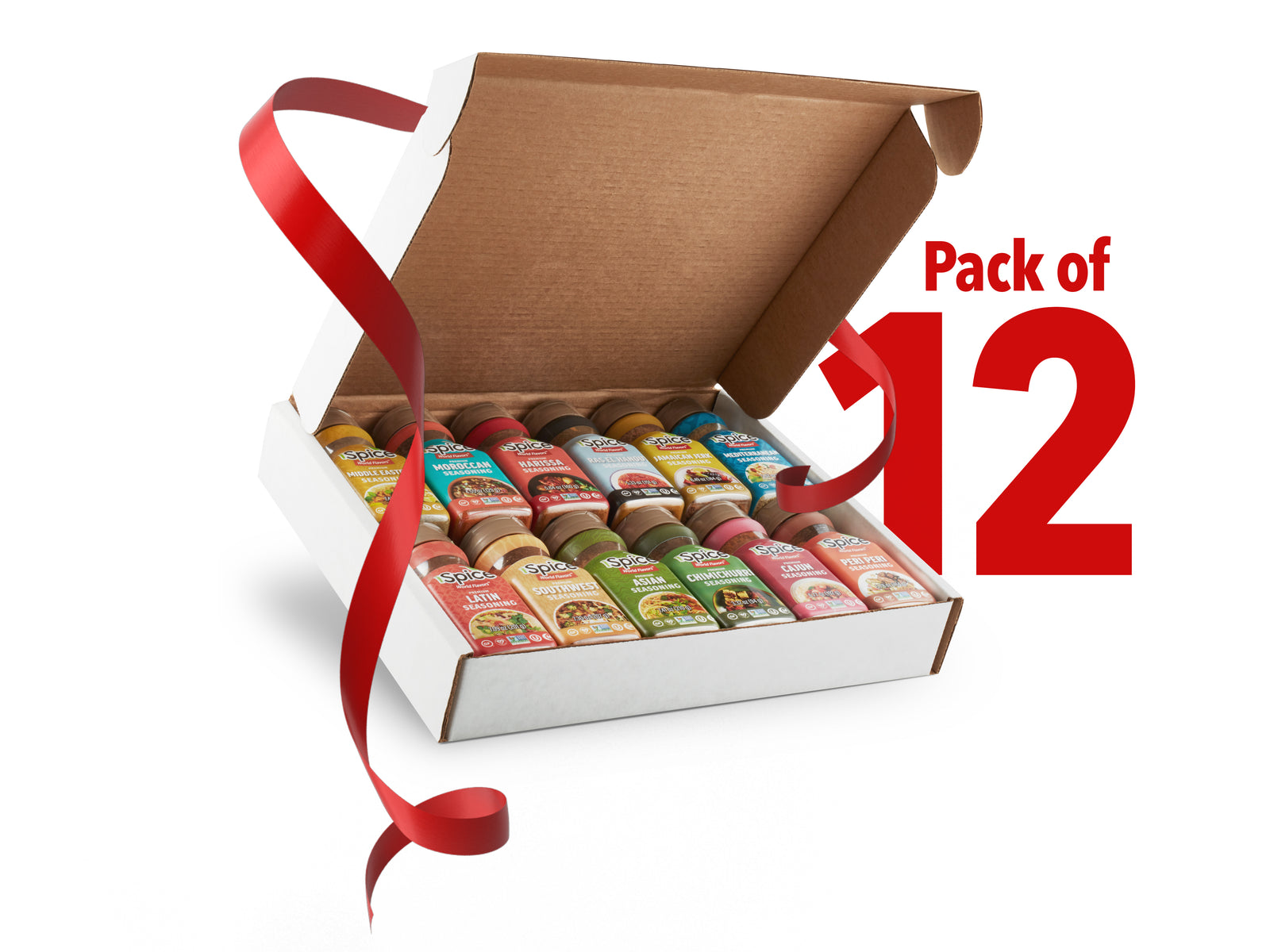
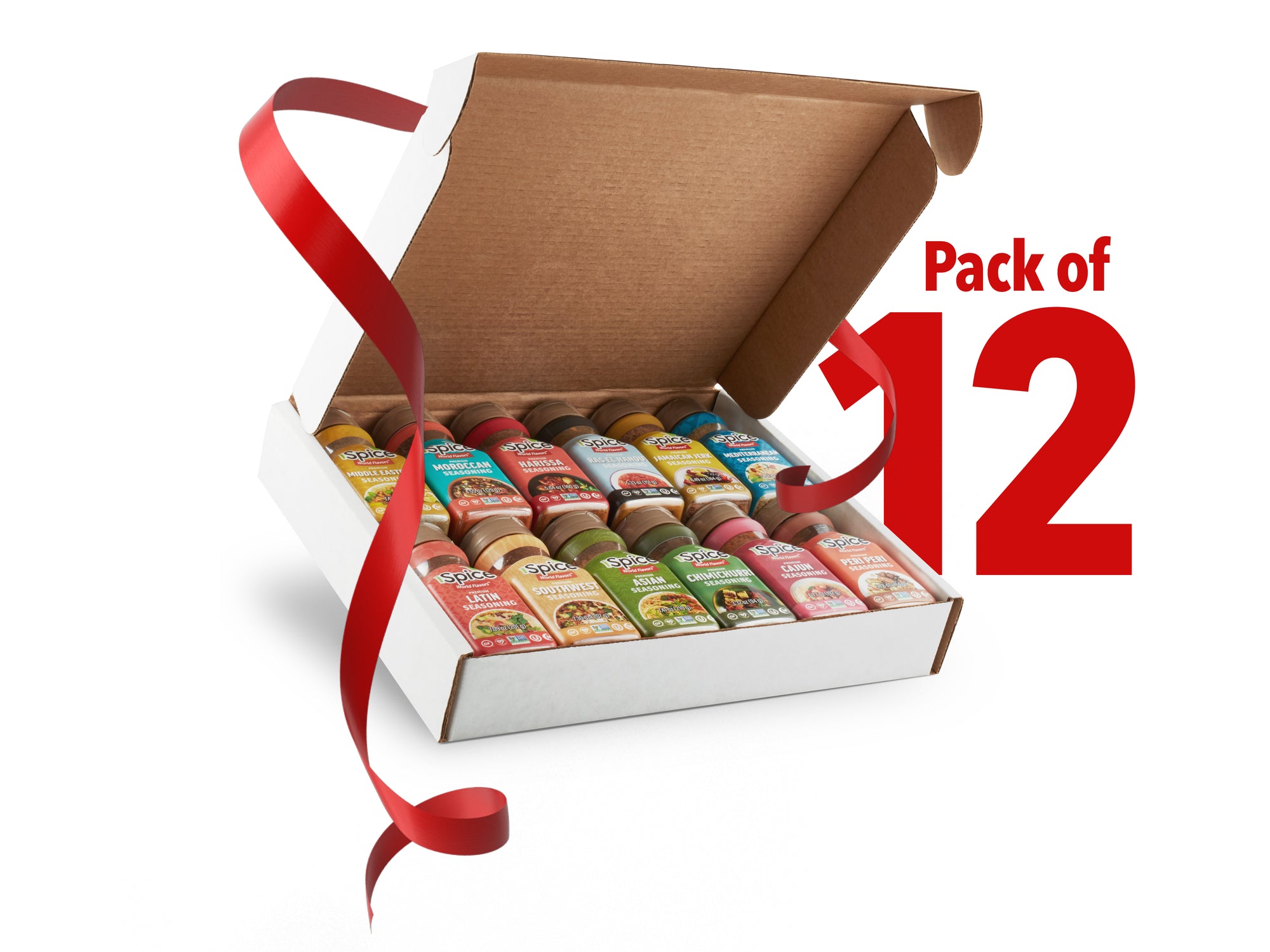
A well-rounded spice collection opens the door to global cooking. With the right mix of herbs, spices, and seasoning blends, you can explore flavors from Asia, the Middle East, Latin America, Africa, and Europe—all from your kitchen. Building an international spice collection is easier than it seems; it simply requires choosing versatile spices that deliver strong, authentic flavor. Once you understand the essentials, you can cook dishes from any cuisine with confidence.
Why an International Spice Collection Matters
Each region of the world has distinct flavor traditions shaped by local ingredients and culture. Indian cuisine relies on warm, aromatic spices, while Mediterranean cooking uses bright herbs and citrus notes. Latin American dishes feature smoky and spicy blends, and East Asian flavors emphasize umami and balance. By stocking global spices, you unlock the ability to recreate authentic recipes, experiment with fusion dishes, and elevate everyday meals.
Core Spice Categories to Include
To build a complete global spice collection, focus on three main categories: whole spices, ground spices, and seasoning blends.
Whole Spices
Whole spices offer strong aroma and long shelf life. Examples include cumin seeds, coriander seeds, cloves, peppercorns, mustard seeds, cinnamon sticks, and cardamom pods.
Ground Spices
Ground spices are convenient and ideal for quick cooking. Common choices include turmeric, paprika, chili powder, garlic powder, onion powder, and ginger powder.
Seasoning Blends
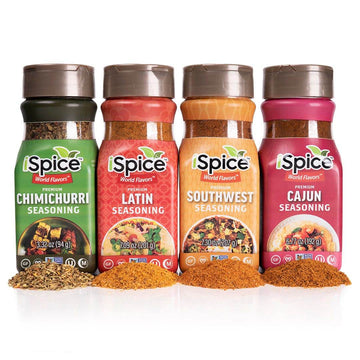
Blends save time and bring signature flavors of specific cuisines. Examples include curry powder, Cajun seasoning, Italian seasoning, taco seasoning, garam masala, and za’atar.
Essential Spices from Different Regions
Middle Eastern Essentials
Cumin, coriander, sumac, turmeric, cinnamon, cardamom, and za’atar. These spices define dishes such as shawarma, hummus, rice pilaf, and grilled meats.
Indian Essentials
Turmeric, garam masala, cumin seeds, coriander powder, chili powder, fenugreek, mustard seeds, and cardamom. These create depth in curries, dals, and tandoori dishes.
Asian Essentials
Five-spice powder, ginger, garlic powder, sesame seasoning, chili flakes, and turmeric. Used in stir-fries, soups, noodle dishes, and marinades.
Latin American Essentials
Smoked paprika, chili powder, cumin, oregano, and chipotle. These are perfect for tacos, enchiladas, grilled meats, and rice dishes.
Mediterranean Essentials
Oregano, basil, rosemary, thyme, garlic, and paprika. Common in salads, pasta sauces, roasted vegetables, and seafood.
African Essentials
Berbere, harissa, paprika, cumin, coriander, ginger, and allspice. These blends bring warmth and complexity to stews and grilled dishes.
How to Choose High-Quality Spices
Quality determines how bold and aromatic your dishes will taste.
Look for strong aroma and vibrant color.
Choose whole spices when possible for longer freshness.
Avoid spices stored in direct sunlight or near heat.
Buy smaller quantities if you cook infrequently.
Choose reputable suppliers who focus on freshness and purity.
Storing Your International Spice Collection
Proper storage keeps spices flavorful longer.
Use airtight containers to protect from moisture.
Store in a cool, dark area away from heat sources.
Label containers with purchase dates to track freshness.
Keep whole spices separately from ground blends for organization.
Consider using magnetic jars or a spice drawer for easy access.
Expanding Your Collection Over Time
Start with basics from a few regions, then expand gradually.
Try new spices when exploring unfamiliar cuisines.
Purchase blends to simplify complex recipes.
Add specialty spices like saffron, sumac, fenugreek, or star anise as your skills grow.
Build based on the cuisines you cook most frequently.
Pro Tips for Using Global Spices
Toast whole spices to enhance aroma.
Bloom ground spices in oil for deeper flavor.
Combine spices thoughtfully to avoid overpowering balance.
Use acidity or fresh herbs to brighten rich spice blends.
Taste throughout cooking to make adjustments.
FAQ
Q1: What spices should I buy first when starting an international collection?
Start with versatile staples such as cumin, paprika, turmeric, garlic powder, chili powder, black pepper, and Italian seasoning. Then add curry powder, smoked paprika, and other region-specific blends.
Q2: Are whole spices better than ground spices?
Whole spices stay fresh longer and offer stronger aroma, while ground spices are convenient and ideal for quick dishes. A mix of both is ideal.
Q3: How do I store spices to keep them fresh?
Use airtight containers, keep them away from sunlight, and store in a cool, dry area.
Q4: Do seasoning blends replace individual spices?
Blends simplify cooking but don’t replace the depth of individual spices. Use both depending on the recipe.
Q5: How often should I replace spices?
Ground spices should be replaced every one to two years, while whole spices last three to four years when stored properly.