

































No-oven cooking is becoming more popular than ever. Whether you're avoiding heat in the summer, cooking in a small space, or simply wanting fast, convenient meals, stovetop and Instant Pot recipes offer endless possibilities. But without oven roasting or baking, meals can sometimes lack depth or caramelization. That’s where spices come in. With the right seasoning techniques, you can create bold, aromatic, satisfying meals using only your stovetop or Instant Pot.
Why Spices Matter in No-Oven Cooking
Stovetop and pressure cooking both rely on moist heat and shorter cooking times. These methods do not produce the browning that naturally enhances flavor in oven cooking. Spices help fill that gap by providing warmth, aroma, smokiness, acidity, and complexity. With intentional spice layering, you can build restaurant-quality flavor even without an oven.
Best Spices and Herbs for Stovetop and Instant Pot Meals
1. Garlic Powder and Onion Powder
Essential for quick flavor-building in soups, stews, sautéed dishes, and pressure-cooked meals.
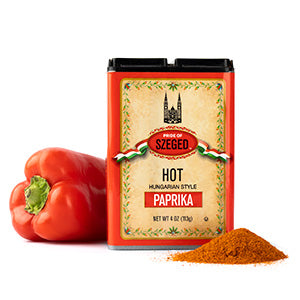
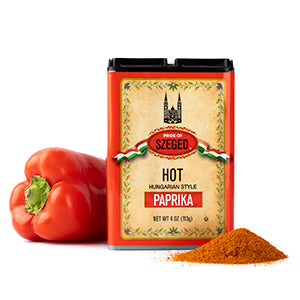
2. Paprika (Sweet or Smoked)
Adds color, sweetness, and smoky depth—perfect for Instant Pot chicken, beans, rice, and stews.
3. Cumin
Earthy and warm, excellent for stovetop curries, tacos, chili, and grain dishes.
4. Chili Powder or Chili Flakes
Adds controlled heat and boosts overall flavor.
5. Curry Powder
Creates instant depth in coconut milk dishes, lentils, rice, and stews.
6. Italian Seasoning
Great for stovetop pasta sauces, Instant Pot casseroles, and vegetable medleys.
7. Bay Leaves
Ideal for pressure-cooked beans, soups, broths, and pilafs.
8. Turmeric
Adds color and earthiness, especially in rice, soups, and curry-style dishes.
9. Fresh Herbs (Added at the End)
Parsley, cilantro, basil, and chives brighten stovetop and Instant Pot meals.
Spice Pairing Ideas for Stovetop Cooking
Savory Everyday Blend: Garlic Powder + Onion Powder + Paprika
Perfect for sautéed chicken, vegetables, rice, and soups.
Mediterranean Blend: Basil + Oregano + Black Pepper
Ideal for stovetop pasta dishes, tomato-based sauces, and stews.
Warm Curry Blend: Curry Powder + Turmeric + Ginger
Great for stovetop lentils, chickpeas, and coconut-based dishes.
Latin-Style Blend: Cumin + Chili Powder + Smoked Paprika
Perfect for tacos, beans, rice bowls, and skillet veggies.
Spice Pairing Ideas for Instant Pot Cooking
Classic Comfort Blend: Bay Leaf + Garlic Powder + Paprika
Great for soups, beans, stews, and rice dishes.
Bold Chili Blend: Chili Powder + Cumin + Onion Powder
Ideal for Instant Pot chili, taco meat, and shredded chicken.
Global Curry Blend: Curry Powder + Turmeric + Ginger Powder
Perfect for Instant Pot curries, rice, and saucy proteins.
Herb & Lemon Blend: Italian Seasoning + Garlic + Lemon Zest (added after cooking)
Brightens chicken, potatoes, and vegetable medleys.
How to Layer Spices in No-Oven Meals
For Stovetop Cooking:
Bloom spices in oil to deepen flavor.
Add aromatics early for maximum impact.
Add herbs at the end to preserve freshness.
Taste throughout cooking and adjust as needed.
For Instant Pot Cooking:
Use robust spices early—they hold up under pressure.
Add delicate herbs after pressure release.
Adjust seasoning after cooking since flavors can mellow in the pressure cooker.
Use acidity at the end (lemon or vinegar) to brighten flavors.
Common Mistakes in Stovetop and Instant Pot Seasoning
Adding fresh herbs too early—they lose aroma quickly.
Relying only on salt without layering spices.
Using too much liquid in Instant Pot dishes, diluting flavor.
Over-seasoning before pressure cooking, not accounting for flavor concentration.
Skipping the bloom step for dry spices on the stovetop.
Pro Tips for No-Oven Flavor Success
Toast spices lightly before adding liquid.
Use smoked spices to mimic oven-roasted depth.
Add citrus zest at the end to brighten heavy dishes.
Use garlic and onion powders for fast flavor without long sauté times.
Finish with fresh herbs or acidic ingredients for balance.
FAQ
Q1: What spices work best for Instant Pot meals?
Cumin, paprika, garlic powder, onion powder, curry powder, bay leaves, and chili powder hold up well under pressure.
Q2: How can I make stovetop dishes taste more complex?
Bloom spices in oil, layer seasonings gradually, and add fresh herbs and acidity at the end.
Q3: Can I use spice blends in pressure cooking?
Yes, but add delicate blends later and robust blends early for best flavor.
Q4: Why does my Instant Pot food taste bland?
Pressure cooking can mute spices. Add more seasoning after cooking or stir in fresh herbs and acid.
Q5: What fresh herbs work best for no-oven recipes?
Parsley, cilantro, basil, mint, dill, and chives add brightness when added after cooking.


