







 Fast lane
Ready in 30 minutes
Fast lane
Ready in 30 minutes Breakfast
 Soups & stews
 Grill & kebabs
 Desserts











Roasted vegetables are a staple of flavorful home cooking—crisp on the outside, tender inside, and full of natural sweetness. But the secret to turning simple vegetables into a standout dish lies in how you season them. The right combination of spices, herbs, and cooking techniques transforms everyday produce into a vibrant and aromatic side or main course.
Whether you’re roasting carrots, potatoes, peppers, or cauliflower, understanding seasoning techniques will help you unlock new layers of flavor in every bite.
The Basics: Why Seasoning Matters
Seasoning roasted vegetables isn’t just about salt and pepper—it’s about layering flavors.
The high heat of roasting caramelizes natural sugars in the vegetables, and spices enhance that sweetness with warmth, smokiness, or spice. Herbs bring freshness, while oil helps distribute flavors evenly and create that perfect golden crust.
When seasoning, balance is key. The goal is to complement the vegetable’s natural taste, not cover it up.
Step-by-Step Guide to Perfectly Seasoned Roasted Vegetables
1. Choose Your Vegetables
Hearty vegetables like potatoes, carrots, beets, and squash handle strong spices well.
Tender ones like zucchini, peppers, and broccoli prefer lighter seasoning.
Tip: Cut vegetables into even sizes so they roast evenly.
2. Coat with Oil
Use olive oil, avocado oil, or another high-heat oil. It helps spices stick and promotes crispness.
Toss vegetables until evenly coated but not drenched—about 1–2 tablespoons per pound.
3. Add Base Seasonings
Start simple: salt, pepper, and garlic powder form the foundation. These enhance natural sweetness and depth.
From there, build complexity with your chosen spice blend.
4. Choose Spice Profiles
Here are some classic and creative options:
| Flavor Style | Suggested Spices & Herbs | Best For |
|---|---|---|
| Mediterranean | Oregano, thyme, rosemary, paprika, olive oil | Zucchini, eggplant, bell peppers |
| Smoky & Spicy | Smoked paprika, chili powder, cumin | Sweet potatoes, carrots, corn |
| Herb & Citrus | Dill, parsley, lemon zest | Asparagus, green beans, potatoes |
| Indian-Inspired | Turmeric, coriander, garam masala | Cauliflower, chickpeas, root vegetables |
| Sweet & Warm | Cinnamon, nutmeg, allspice | Butternut squash, carrots, parsnips |
5. Toss Evenly
Use your hands or a large bowl to mix. Make sure every piece is evenly coated in oil and spices to prevent uneven roasting.
6. Roast at the Right Temperature
Bake at 400°F (200°C) for 20–40 minutes, depending on the vegetable.
Flip halfway through to ensure even browning and avoid burning delicate spices.
7. Finish with Freshness
After roasting, sprinkle with fresh herbs like parsley, cilantro, or basil.
Add a drizzle of olive oil or a squeeze of lemon juice to brighten the flavors.
Advanced Seasoning Tips
-
Bloom your spices first: Warm spices briefly in oil before tossing vegetables for a deeper, toasted flavor.
-
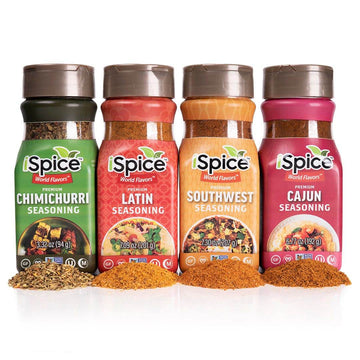
Use spice blends: Pre-mixed blends like Ras el Hanout, Cajun seasoning, or Italian herbs add complex character fast.
-
Balance sweet and savory: Add a touch of honey or balsamic glaze for root vegetables.
-
Try flavored salts: Garlic salt, smoked salt, or herb-infused salt can add another layer of taste.
-
Experiment with texture: Add sesame seeds, crushed nuts, or breadcrumbs for extra crunch.
Common Mistakes to Avoid
-
Too much oil: It can make vegetables soggy instead of crisp.
-
Overcrowding the pan: Give each piece space to caramelize—use two pans if needed.
-
Under-seasoning: Vegetables lose some flavor as they roast; season generously before baking.
-
Adding delicate herbs too early: Fresh herbs burn easily; add them after roasting.
Frequently Asked Questions About Seasoning Roasted Vegetables
1. Should I season vegetables before or after roasting?
Always season before roasting so the spices and oil adhere properly. Add fresh herbs or finishing salt afterward for brightness.
2. What’s the best oil for roasting vegetables?
Olive oil adds richness and flavor, while avocado oil works well for high-heat roasting.
3. Can I use dried herbs instead of fresh?
Yes. Dried herbs are more concentrated, so use about half the amount you would of fresh.
4. How do I keep spices from burning in the oven?
Toss well in oil to coat evenly, and roast at moderate heat (around 400°F). Avoid broiling unless you’re watching closely.
5. Which vegetables roast best with bold spices?
Root vegetables like carrots, potatoes, and beets handle strong flavors like cumin, paprika, and chili powder very well.
Final Thoughts
Perfectly roasted vegetables depend on two things—technique and timing. The way you season them determines whether they taste simple or spectacular. A few key spices, a drizzle of oil, and balanced herbs can turn everyday ingredients into restaurant-quality sides. Once you master seasoning techniques, roasted vegetables will never feel like an afterthought again—they’ll be the star of the table.