






















































Embracing Spring Flavors: Why Fresh Herbs and Spices Shine in Light Meals
Spring naturally inspires a move toward lighter, brighter meals that celebrate fresh, seasonal ingredients. Fresh herbs and spices become key players in the kitchen during this season, delivering vibrant flavor, enticing aroma, and beautiful color without adding heaviness to your dishes. From simple salads and grilled vegetables to quick pastas and grain bowls, these ingredients can elevate everyday cooking into something refreshing and delicious.
This guide shares creative ways to use fresh herbs such as basil, mint, and cilantro, along with lighter spices like turmeric and cumin, to build a spring menu full of flavor. These ideas work perfectly for fast weeknight dinners, relaxed weekend lunches, or meals shared outdoors.
Top Fresh Herbs for Spring Light Meals
Spring herbs reach their peak during this season, offering clean, bright tastes that pair wonderfully with tender vegetables, seafood, and grains.
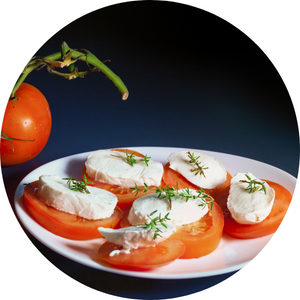
- Basil Sweet with a gentle peppery edge, basil is ideal for uncooked or lightly dressed preparations. Chop fresh leaves into a classic tomato and mozzarella salad, or blend them into a quick pesto to toss with pasta or spiralized vegetables.
- Mint Cooling and refreshing, mint balances richer components in lighter dishes. Stir chopped mint into a salad of cucumber, feta, and olives, or scatter whole leaves over grilled fish or vegetable skewers as a bright finish.
- Dill Tangy with a delicate, feathery texture, dill brings distinction to seafood and vegetable recipes. Sprinkle it generously over roasted new potatoes mixed with spring peas, or fold it into a simple yogurt-based dip for fresh vegetables.
- Cilantro Bright and citrus-like, cilantro adds lively, global-inspired flavor. Use it generously in fresh spring rolls stuffed with crisp vegetables and rice noodles, or mix it into a chunky salsa with mango and lime to spoon over grilled proteins.
- Parsley Crisp, clean, and versatile, parsley adds instant brightness. Make it the star of a traditional tabbouleh with bulgur, tomatoes, and lemon, or finely chop it to finish soups, grain bowls, and roasted vegetable dishes.
These herbs are widely available at markets and easy to grow at home, ensuring you always have the freshest possible flavor.
Spice It Up: Lighter Spices for Seasonal Meals
Spices bring subtle depth and gentle warmth to keep light spring meals interesting while respecting the delicate nature of seasonal produce.
- Turmeric Earthy with a beautiful golden color, turmeric enhances vegetable-forward dishes. Add a small amount to a quick stir-fry of broccoli and snap peas, or mix it into a marinade for grilled tofu or chicken.
- Cumin Warm and slightly nutty, cumin works beautifully with roasted or grilled ingredients. Lightly toast the seeds and scatter them over spring radishes, carrots, or new potatoes for an easy, flavorful side.
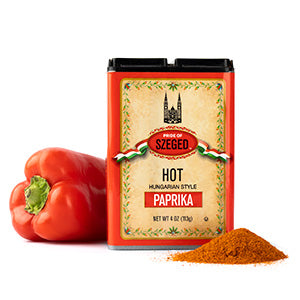
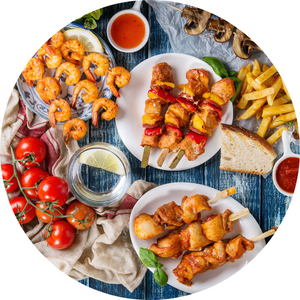
- Paprika Whether sweet or lightly smoked, paprika provides gentle color and taste. Rub it onto chicken skewers or vegetable kebabs along with fresh herbs before grilling.
- Ginger Zesty and bright when used fresh, ginger livens up dressings, soups, and marinades. Grate it into a shredded carrot salad or combine it with herbs for a simple glaze on grilled fish or vegetables.
- Coriander Lightly citrusy and soft, ground coriander complements herb-heavy recipes. Stir it into lentil salads or sprinkle it over roasted asparagus and other spring greens.
Use spices sparingly at first so the natural flavors of your fresh ingredients remain the focus.
Recipe Ideas: Fresh and Flavorful Combinations
Here are five straightforward light meal ideas that highlight these herbs and spices:
- Herb-Infused Quinoa Bowl Cook quinoa and toss with chopped basil, mint, parsley, halved cherry tomatoes, and sliced cucumber. Finish with a simple lemon-olive oil dressing and a light dusting of cumin for subtle warmth.
- Grilled Vegetable Platter Marinate asparagus, zucchini, and bell peppers in olive oil with turmeric, paprika, and chopped fresh dill. Grill until tender and serve family-style with extra herbs scattered on top.
- Fresh Herb Pasta Primavera Toss whole-grain pasta with lightly sautéed spring onions, fresh peas, and a thin sauce made from blended cilantro, ginger, and garlic. Keep it vegetable-forward and light.
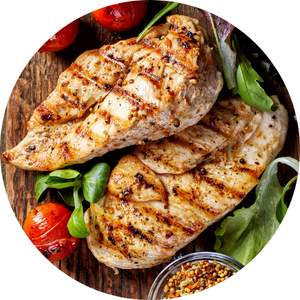
- Minty Yogurt-Marinated Chicken Mix Greek yogurt with chopped mint, cumin, and grated ginger to create a quick marinade. Grill the chicken and serve alongside a crisp green salad or grilled vegetables.
- Cilantro-Lime Spring Rolls Fill rice paper wrappers with shredded carrots, cucumber, avocado, and plenty of fresh cilantro. Roll tightly and serve with a light lime-based dipping sauce for a refreshing lunch or appetizer.
These dishes come together quickly and make the most of spring’s freshest produce.
Tips for Working with Fresh Herbs and Spices
To preserve the brightest flavor, add delicate herbs like basil and mint toward the end of cooking or use them as a garnish. Heartier herbs such as parsley can withstand a bit more heat. For spices, a quick dry-toast in a pan before adding them releases deeper aromas and improves taste.
Store fresh herbs by trimming the stems and standing them in a glass of water in the refrigerator, just like cut flowers. Keep spices in airtight containers in a cool, dark place to maintain their strength and fragrance.
Playing with these combinations keeps spring cooking lively and helps you discover new favorite flavor pairings all season long.
Frequently Asked Questions (FAQs)
- What are the best fresh herbs for beginners in spring cooking? Basil and mint are perfect starting points — they’re versatile, easy to find, and work well in salads, garnishes, and simple drinks.
- How can I store fresh herbs to keep them lasting longer? Trim the stems, place them in a jar of water, cover loosely with a plastic bag, and refrigerate. Refresh the water every couple of days to keep them vibrant for up to a week.
- Which spices pair well with most spring vegetables? Cumin and turmeric are highly adaptable, adding gentle warmth to asparagus, peas, carrots, radishes, and other spring produce without overpowering them.
- Can I substitute dried herbs for fresh in these light meals? Yes, though you should use roughly one-third the amount because dried herbs are more concentrated. Fresh herbs give brighter flavor and better texture, especially in dishes with minimal cooking.
- How do I prevent fresh herbs from wilting when adding them to hot dishes? Stir delicate herbs in at the very last moment or sprinkle them on as a garnish so they retain their color and fresh taste.
- What’s a quick way to make a light herb dressing for spring salads? Blend olive oil, fresh lemon juice, a handful of basil or parsley, a small garlic clove, and a pinch of salt. It’s fast, adaptable, and instantly improves any salad or vegetable bowl.


