










































Every dish you create is shaped by five fundamental taste profiles: sweet, sour, salty, bitter, and umami. Understanding how these tastes work together gives you more control over your cooking and helps you build balanced, flavorful meals. Spices, herbs, and seasoning blends play an essential role in shaping these taste experiences. When you understand how each profile behaves, you can adjust and enhance dishes with confidence.
Why Taste Profiles Matter in Cooking
Taste profiles form the foundation of flavor development. They influence how ingredients interact and how your palate responds to food. By learning how spices contribute to each taste, you can create deeper, more complex dishes. Whether you're seasoning meats, preparing vegetables, or building sauces, mastering these profiles helps you cook with intention.
Sweet: Comforting and Balancing
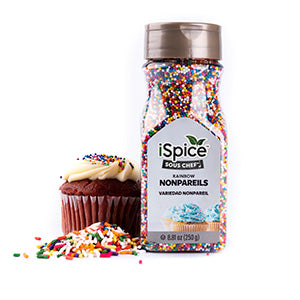
Sweetness does more than make food taste sugary. It balances heat, bitterness, and acidity. Certain spices naturally contribute sweetness.
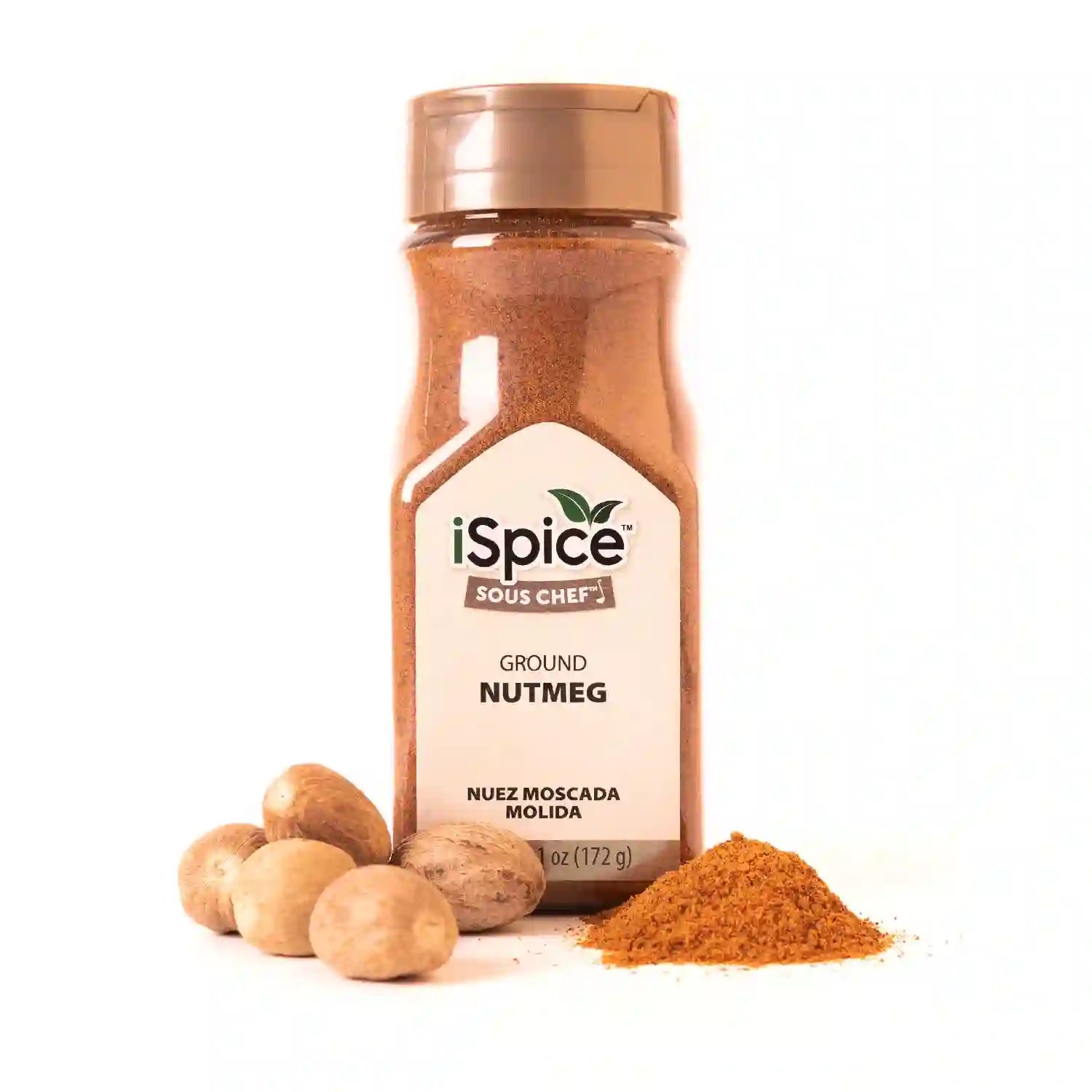
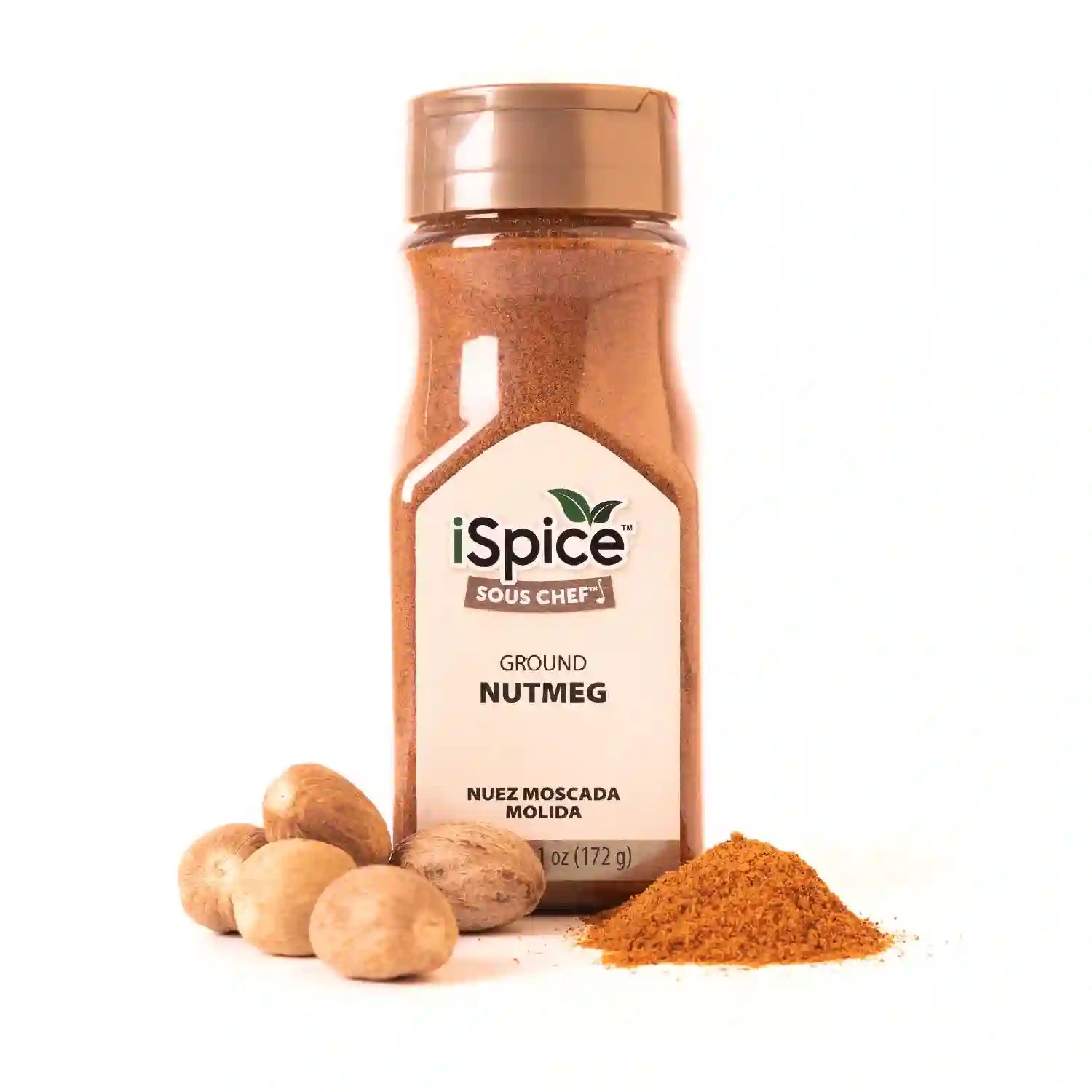
Key sweet-enhancing spices include: cinnamon, nutmeg, cardamom, and sweet paprika.
Sweet flavor is useful for smoothing out strong spices such as chili powder or curry blends.
It adds warmth to baked goods, sauces, marinades, and spice rubs.
Sour: Bright and Refreshing
Sourness adds brightness and lifts heavy flavors. It cuts through richness and balances sweetness and saltiness.
Sour components in seasoning include: sumac, tamarind powder, vinegar powders, and citrus zest.
Sourness enhances vegetables, meats, soups, and marinades.
It is essential in cuisines that rely on balance, such as Thai, Mediterranean, and Middle Eastern cooking.
Salty: Enhancing and Amplifying
Salt is not a spice, but it is essential for unlocking flavor. Salt amplifies herbs, spices, and natural food flavors.
Spice blends often include salt to enhance taste balance.
Saltiness helps bring out savory notes in garlic, paprika, turmeric, chili powder, and cumin.
When used correctly, salt creates structure and roundness in a dish.
Bitter: Deep and Complex
Bitterness adds complexity and depth. It prevents dishes from tasting overly sweet or flat.
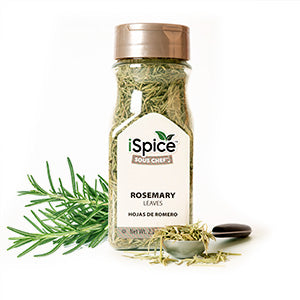
Bitter spices and herbs include: turmeric, fenugreek, cumin, coriander seed, rosemary, and thyme.
Bitter notes pair well with acidity and sweetness.
Bitter seasonings shine in roasted dishes, curries, stews, and vegetable recipes.
Umami: Savory and Rich
Umami is the taste of deep savoriness. It makes food taste full, rich, and satisfying.
Several spices and seasonings contribute umami: mushroom powder, garlic powder, onion powder, seaweed blends, soy-based seasonings, and miso powders.
Umami builds depth in soups, marinades, stews, and roasted dishes.
It pairs especially well with salty and sweet components.
How Taste Profiles Interact
Taste interactions shape the final flavor of a dish.
Sweet reduces heat and bitterness.
Sour brightens salty and umami flavors.
Salt enhances every taste category except bitterness.
Bitterness balances sweetness and umami.
Umami deepens savory notes and anchors the entire flavor structure.
Understanding these interactions allows you to correct, balance, or elevate any dish.
How Spices Influence Taste Balance
Spices affect taste in both direct and indirect ways.
Chili increases heat, which intensifies other flavors.
Cumin adds earthiness and slight bitterness.
Paprika contributes sweetness or smokiness depending on the type.
Citrus-based spices add refreshing acidity.
Herbs like thyme, basil, and oregano add aromatic notes that interact with taste and aroma.
Common Mistakes in Taste Balancing
Using too much salt when seasoning blends already contain sodium.
Allowing bitterness to dominate without adding sweetness or acidity.
Adding chili for heat without balancing with sweetness.
Ignoring umami, resulting in flat or one-dimensional dishes.
Not tasting frequently enough during cooking.
Pro Tips for Mastering Taste Profiles
Adjust seasoning gradually while tasting.
Pair sweetness with heat for balanced spicy dishes.
Add citrus or vinegar for brightness in heavy or creamy dishes.
Use bitter herbs in moderation to create depth.
Include umami-rich seasonings to build savory structure.
Experiment with contrasting profiles to create exciting, layered dishes.
FAQ
Q1: What is the most important taste profile in cooking?
All five profiles work together, but salt is often the foundation because it enhances every other taste.
Q2: How can I fix a dish that tastes too bitter?
Add sweetness, acidity, or a small amount of salt to balance bitterness.
Q3: How do I increase umami in a dish?
Use umami-rich seasonings such as mushroom powder, soy-based seasoning, garlic powder, or miso.
Q4: What if my food tastes too sour?
Balance with sweetness or salt to soften the sourness.
Q5: How can I make spicy dishes taste more balanced?
Pair heat with sweetness and acidity to round out the flavor.


